 School Life
play is learningLet Them Play
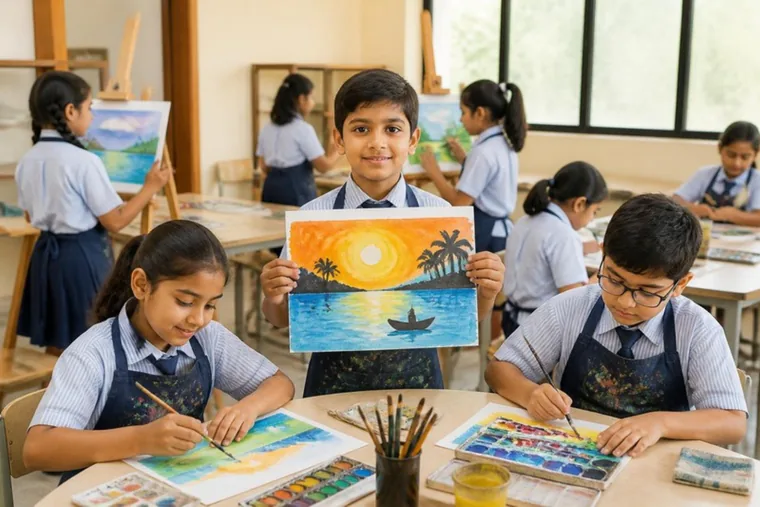
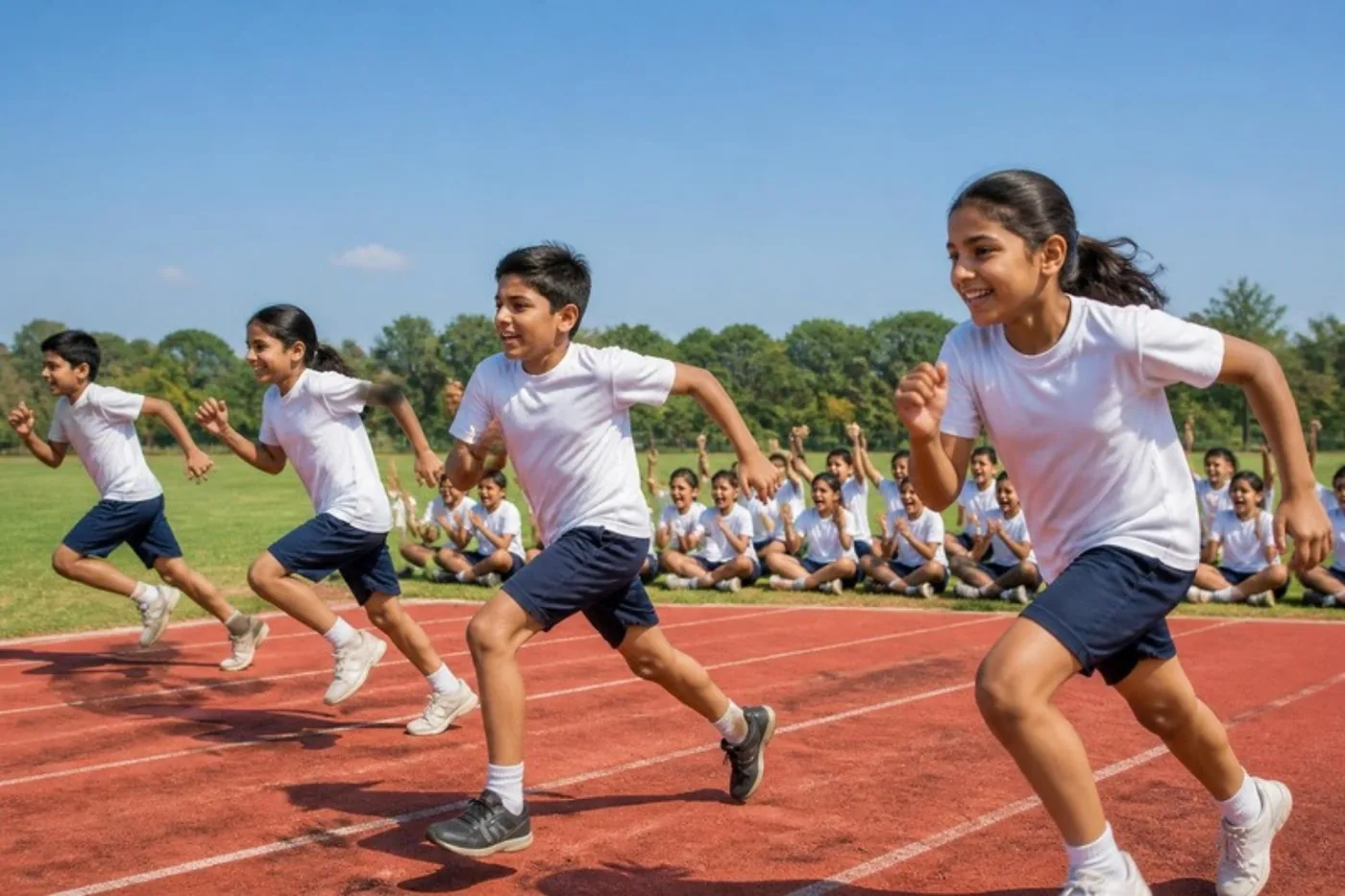
Parents sometimes ask why our timetable has so much sport, art and free play. The honest answer is that children who play well learn well. Play builds the skills that every subject needs.
Play builds attention
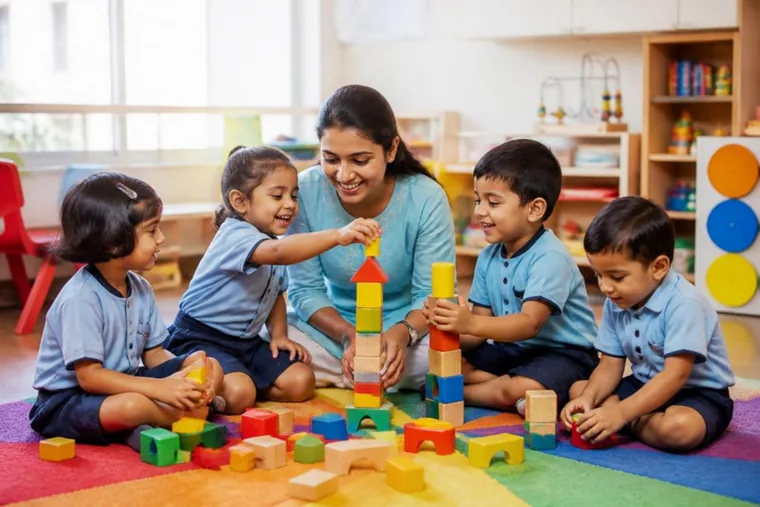
A child who builds a tower of blocks, or follows the rules of a team game, is practising focus and self-control. These are the same muscles they use to sit through a lesson and finish a worksheet.
Play builds language
Pretend play is full of talk: "You be the doctor, I'll be the patient." Children try out new words, explain ideas and listen to others. Teachers notice the difference in reading and writing.
Play builds maths and science
Sand, water, blocks and balls teach more, less, heavier, faster, balance and shape long before children see these words in a textbook.
Play builds friendship
Taking turns, losing gracefully, sharing and solving fights are learnt on the playground, not in a lecture. Children who get along with others are happier in class, and happier children learn more.
How play fits our day
- Pre-Primary: learning through play for most of the morning
- Primary: a games period every day, plus free play at break
- Middle and senior: sports, clubs and house competitions every week
Parents also ask
How many sports periods are there?
Primary classes have a games period every day; older classes have four a week plus club time.
Which sports are offered?
Athletics, football, cricket, basketball, skating, badminton, chess and yoga, with coaching by trained coaches.
Are there inter-house competitions?
Yes. The four houses compete in sports, music, art and quizzes through the year.